What does a Brand Refresh actually involve (and when do you need one)?
Someone says the brand needs a refresh. Marketing is picturing a better website. Sales wants a presentation they’re proud to send. The founder is quietly hoping nobody touches the logo. Before a brand refresh agency opens a design file, there’s a more useful question to settle: what is the current brand making harder for the business?
A brand refresh updates how an established brand looks and communicates while retaining the foundations and recognition that still work. It might involve typography, colour, messaging or an entire identity system. The right scope depends on the problem you need to solve.
If customers still understand your value but your materials no longer express it clearly, a refresh may be enough. If your audience, offer or position has fundamentally changed, the work needs to go deeper.

Start with what has changed in the business
“We look a bit dated” can be a useful starting observation, but it’s not much of a brief. Ask where that dated appearance causes a problem. Are prospective customers underestimating your capabilities? Is your range difficult to navigate? Do different teams describe the business so differently that they sound like separate companies?
Gather examples from the people closest to those moments. Look at lost-pitch feedback, recurring customer questions and the materials your team keeps rebuilding. Compare the story you intend to tell with what customers actually understand.
A business may have grown well beyond its original offer while its website still describes the early days. Another may have a strong, relevant identity that has simply become inconsistent through years of improvised templates. These need different responses, even if both arrive with the same request for a fresh look.
A refresh can be small or substantial
The boundary between a refresh and a rebrand is not defined by how many logo elements change. Use the scale of the strategic problem to guide the decision.
- A tactical refresh addresses specific weaknesses while retaining the existing direction. You might improve type legibility, simplify a colour palette or clarify a product descriptor.
- A broader brand evolution updates the visual and verbal system across several applications. The business still stands for something relevant, but the way it expresses that needs more substantial work.
- A full rebrand revisits who the business serves, what it promises and how it wants to be understood. The name or identity may change, although neither is automatically required.
Imagine an established food brand adding new flavours. If shoppers struggle to distinguish the range, clearer packaging architecture may solve the problem. If that business is moving from everyday snacks into a specialist performance proposition, the audience and reasons to buy need examination before anyone chooses new colours.
The useful question is whether the current strategic direction can support the next stage. A refresh should be grounded in brand strategy, even when the conclusion is that much of the strategy remains sound.

What a brand refresh agency should examine first
Start by agreeing what to retain, what to investigate and what needs to change. A familiar colour or distinctive pack shape may be doing useful work that the team takes for granted. Being bored with an asset internally does not mean customers have stopped recognising it.
Review customer perceptions alongside the identity itself. Check whether the brand is easy to recognise, whether its message is understood and whether the promised experience matches the product or service. Separate evidence from assumptions so a strongly held opinion does not become the brief by default.
For an established brand, useful questions include:
- What do existing customers recognise and value about us?
- Where does the identity or messaging create confusion?
- Has our intended audience changed, or have we become less clear about reaching it?
- Which business outcomes should this project support?
- What would a design change leave unresolved?
That last question matters. A better identity cannot fix an unreliable service or a product that disappoints. It can help communicate an improved offer, but the offer needs to earn the promise.
What the work actually includes
Once the diagnosis is clear, define the changes and the applications needed to make them useful. Brand identity design may include refining the logo, introducing a more usable type system, adjusting colour relationships or establishing a consistent photography style.
Verbal identity deserves the same attention. A refresh might clarify the main proposition, update product descriptions or give the team a tone of voice they can use without sounding like they have swallowed the brand guidelines.
Show the proposed system on the materials that matter. For a food business, that could mean the hero pack, a range extension and a retail listing image. For a professional services business, it could mean the website introduction, a proposal and a sales presentation. A beautiful logo slide tells you very little about whether the system will survive a crowded product label or a long client document.
Agree the deliverables early. Brand refresh services might cover strategy review, identity refinement, messaging, guidelines and priority templates. Website development, photography, packaging artwork and printing may need separate scopes. Knowing this upfront makes the investment and rollout easier to plan.
Keep the recognition that customers still value
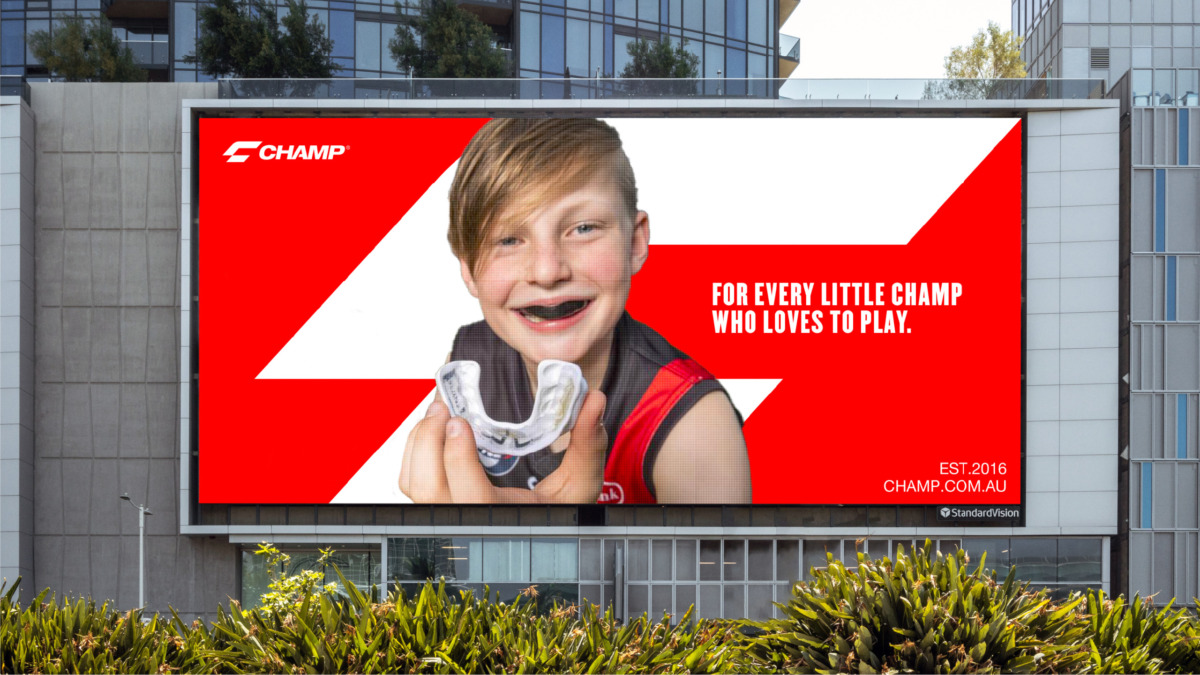
Brand consistency doesn’t mean every application needs to look identical. Rather, the same Our LifeStyles restage example illustrates why research should guide the level of change. Customer research identified a dated perception, while the brand already had established trust. The work updated its visual assets to appeal to a younger and broader audience without treating the brand as a blank slate.
The lesson is to understand what needs updating and what remains valuable. Your own research might show that a familiar brand colour deserves protection while the surrounding messaging needs a complete rethink. It might also challenge an asset the team assumed was essential.
Test the changes and plan the handover
Put concepts in front of relevant customers before finalising them. Ask what they think the business offers, which version they recognise and what feels clearer or less convincing. For existing brands, include current customers as well as the audience you want to attract. A preference for the new design is useful, but it does not answer every question about recognition or understanding.
Then turn the approved direction into a rollout plan. Identify who owns each application, which assets change first and where old and new materials will coexist. Printed stock, signage and retailer requirements can make an overnight switch impractical.
Give the team usable templates and clear examples. Otherwise, the first urgent presentation can undo a surprising amount of careful work. After launch, review whether the specific problems identified at the start have improved. Avoid attributing every change in sales to the refresh when other factors have changed too.

Bring the problem before the wish list
You do not need to arrive with the answer, or a brave speech about retiring the logo. Bring the website that no longer feels right, the pack customers misread or the presentation your sales team keeps apologising for. Those are useful clues.
At Brandwell, we’d rather understand what is holding you back before deciding how much needs to change. If your brand is struggling to keep up with the business behind it, let’s talk about what comes next. There may be more worth keeping than you think.